Tags
Belgium, Bier, Eats, European Excursions, Museums, Religious Site, Travel
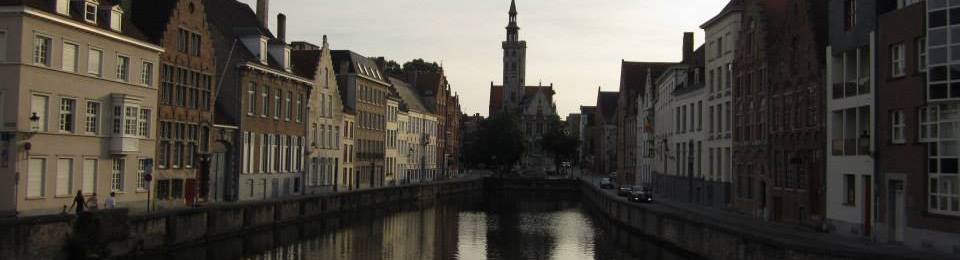
During our honeymoon to Lisbon, we had a layover in Brussels, Belgium. Seeing some of the pictures in the airport made us realize that Belgium seemed like a nice destination that we would enjoy. A year later, we had to go to England for a conference, so we decided to spend the week before in Belgium, with stops in Brussels, Gent (Ghent), and Brugge (Bruges). While planning our time in Brugge, we saw gorgeous photos of the city center and the architecture of the city, with meandering canals lending a charm to the city that only a few other European towns have. What we found in Brugge, however, was so much more enchanting than we could have imagined.
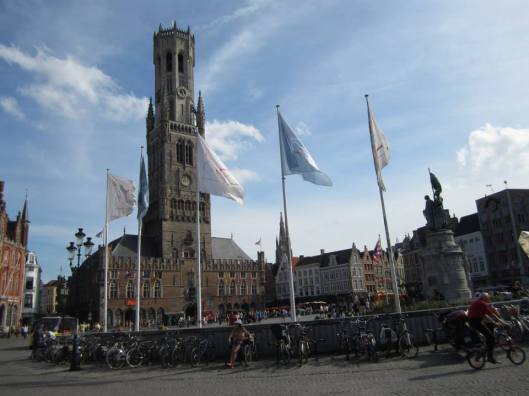
Brugge is located in the Flemish region of Belgium in the northwest corner near the North Sea. It rose to power during the 12th-15th centuries, when it became a hub of commerce and trade as part of the Hanseatic League. Because of its wealth and power, it became a center of culture. The city’s power waned, but it became, and still is, a popular tourist destination. We spent two days in the city, and it remains our favorite European city we have ever visited. Brugge is rather unique in that the city center is preserved as it was in the 1700s, so nearly all the buildings were created in similar styles at similar time periods-you won’t find an ultra-modern building set next to one from the 1600s here. Since the old architecture is largely preserved, you feel as though you have been transported back in time to a fairy tale with beautiful facades, cobblestone streets, and canals running throughout the city. There were a few areas with a lot of tourists, but, for the most part, we were able to wander up and down streets without seeing anyone else, getting to drink in the architecture all by ourselves.
We arrived in the late morning and dropped our bags off at our bed and breakfast. We stayed at the Lady Jane B & B, which is just a couple blocks from the city center. Our host, Hugo, was friendly, helpful, and a delight to talk to. Our room (we stayed in the Lady Jane room) was impeccable. The room had lovely old furniture with a beautiful view overlooking roof tops and the city center belfry off in the distance. The room fit our experience in the city as a seeming step back in time.

We began our visit to Brugge with a visit to two different museums, the first being Choo-Story, a museum dedicated to the history and making of chocolate. The museum was small, but informative, with exhibits detailing the history of chocolate in general, as well as the history of chocolate in Belgium. Finally, the museum provided a demonstration of chocolate making, culminating in free samples which confirmed that Belgians make great chocolate.

The second museum was the Frietmuseum, which is devoted to frites (when in Belgium, they are not fries, and they certainly aren’t French!). The museum tells the history of the potato and the history of frites in Belgium. There are also some interactive areas of the museum for children, although adults can enjoy them too. Finally, your museum ticket gets you discounted frites in the small cafe in the museum so that you get to try Belgian frites, along with several different sauces.


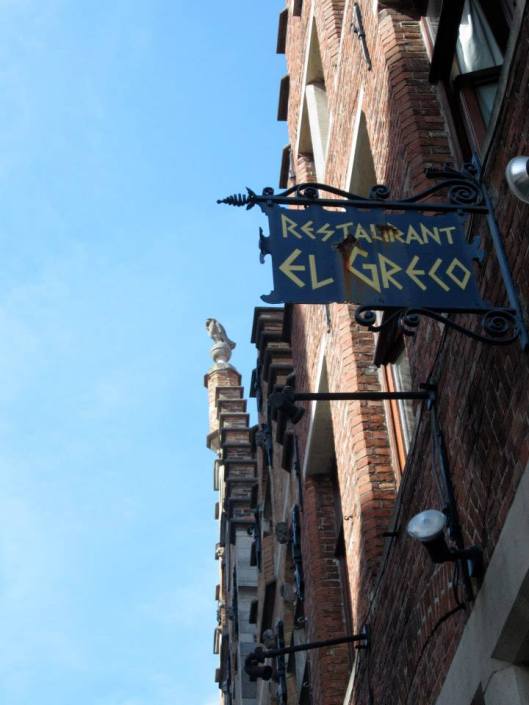
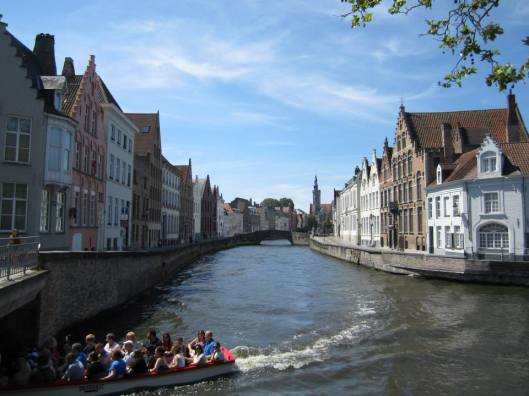
After our visits to the museums, we decided to wander around the city. We walked up and down the canals, making our way down side streets whenever we fancied and enjoying the relaxation of our stroll. There are very few cars on the roads, so it’s easy to view the city at your leisure. Look for the dates built into the facades around the town; they indicate the year the buildings were constructed. We ate dinner at Restaurant El Greco, just off the town square, where we ate a pleasant dinner of Mediterranean cuisine.
After dinner, we continued to walk around, this time spending our time around the city center. The belfry looms above the square with the city hall to its left, beautiful remnants of the city’s glorious past. As the sun set the lights of the center came on and highlighted the magnificent architecture of the belfry, draping it in gold.


After staring up at the belfry, we walked down the street to Brugs Beertje, a local pub with an old world feel that fit the city perfectly. The pub had a lengthy beer list that we enjoyed very much as we chatted with a couple fellow travelers.

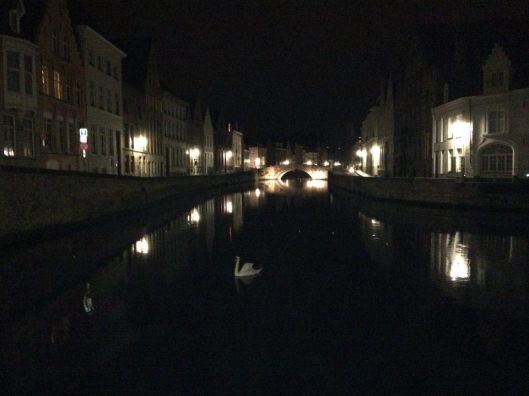
After we finished our beer, we walked back to our bed and breakfast, but we were delayed by a swan in the canal near our accommodation. We ended up following the swan as it swam down the canal for over a mile, and our efforts were rewarded when the single swan met up with a flock of around one hundred swans. We looked at the swans for a few minutes until we realized how late it was. We walked back to our room, but enjoyed the nighttime perspective of the city’s architecture.
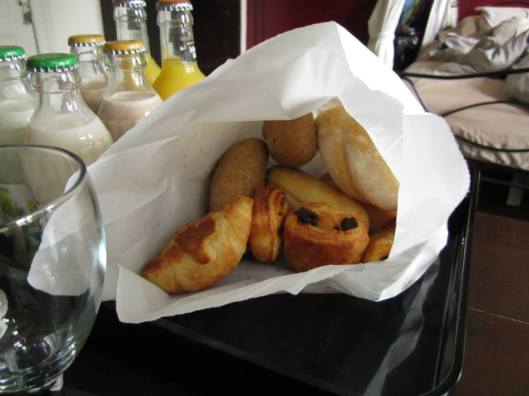
The next morning our B & B host brought us a tray of fresh meat, cheese, and pastries, along with juices and milk. It was a perfect way to start our day.
We walked to the eastern edge of the historic center where we saw several old windmills along the canal. We spent awhile wandering around the area; it was peaceful and relaxing.

We continued south along the canal, which afforded us some nice views of boats moving through the draw bridges. We also saw several of the original town gates and the Jerusalem Chapel and Adornes Domain, a beautiful but small church financed by a local merchant and modeled after the Church of the Holy Sepulchre.


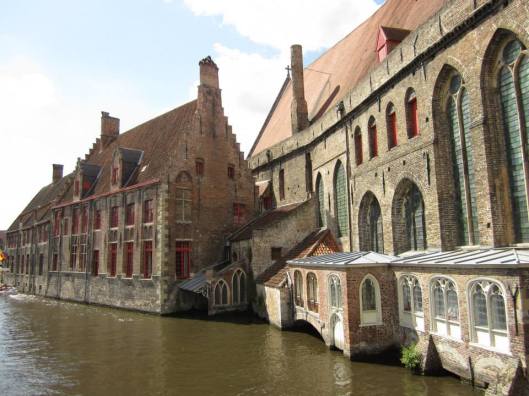
We proceeded north back toward the city square. We stopped at a beguinage, a religious center for nuns (although it is no longer used as such), which dates back to the 13th century. The area was tranquil, although there were a few more tourists in this area. We continued north and went to the Sint-Janshospitaal. The hospital was built in the 12th century to care for pilgrims, as well as other sick people. The hospital now houses a museum of medieval medicine. The museum was interesting and unique, although a bit gruesome at points. We decided to go next door to the Church of Our Lady, the tallest structure in Brugge and the home of Michelangelo’s Madonna and Child.
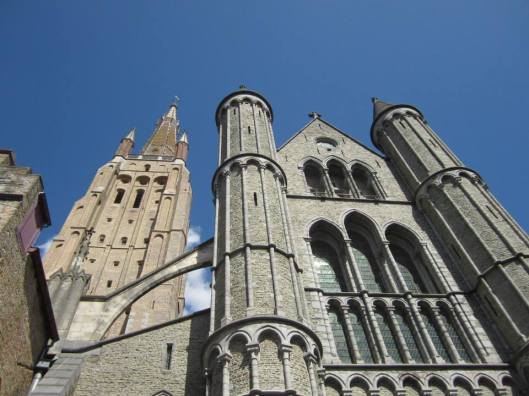
Just a bit down the road, we visited Sint-Salvator Cathedral, another beautiful church that we found awe-inspiring. This area of Brugge was much more crowded than other areas, but it was by no means overrun as other tourist destinations are. The crowds were manageable, and you could easily get away from the crowds by walking a block or two away.
Before we departed Brugge the next day, we went to the City Hall, a stunning building that exemplified the wealth that Brugge enjoyed during its heyday, and the Basilica of the Holy Blood, a small but beautiful facade with an even more stunning interior. The chapel holds a relic thought to contain the blood of Jesus collected by Joseph of Arimathea. It was brought to Brugge by Thierry of Alsace, the count of Flanders, after he went on crusade to the Holy Land.


Brugge is remarkably well-preserved, and its historical town center, because it is so well-preserved and has very few modern structures, looks as though it could have looked the same three or four hundred years ago. It was easy to walk down streets with buildings from the 17th and 18th centuries with no one else around, lending a peacefulness and serenity to our time. The city is easy to explore on foot, and the frequent canal sightings in front of the old facades is a charming scene that never gets old. We cannot recommend visiting Brugge enough and are already anxious to return ourselves.
 A Living Scrapbook
The architecture in Brugge always looks so charming!
LikeLike
It is incredible! It is even better in real life!
LikeLiked by 1 person